
The Allure of Chance and the Brain’s Reward System
The human brain is wired to seek rewards, and the thrill of gambling taps directly into this fundamental drive. When a player experiences a win, even a small one, their brain releases dopamine, a neurotransmitter associated with pleasure and motivation. This chemical rush creates a positive feedback loop, encouraging the player to repeat the behavior in anticipation of another rewarding experience. The uncertainty of the outcome, the very essence of chance, amplifies this effect, making the potential for a big win incredibly enticing, and it’s this very excitement that the nightwin experience aims to capture in a different context.

Understanding this neurological response is key to grasping why people are drawn to gambling. It’s not just about the money; it’s about the chase, the excitement, and the fleeting moments of triumph. The anticipation of a jackpot or a significant payout can be more compelling than the actual prize itself, highlighting the psychological draw of potential rather than guaranteed outcomes. This pursuit of the “big win” often overshadows rational decision-making, leading individuals to continue playing even when facing losses.
Cognitive Biases and the Illusion of Control
Gambling is rife with cognitive biases that can influence a player’s perception of reality. The “gambler’s fallacy,” for instance, is the mistaken belief that if something happens more frequently than normal during some period, it will happen less frequently in the future, or that if something happens less frequently than normal during some period, it will happen more frequently in the future. This can lead players to make irrational bets based on past outcomes, rather than understanding the true randomness of casino games.
Another common bias is the illusion of control, where players believe they can influence the outcome of games that are purely based on chance. This might manifest as specific rituals, lucky charms, or unique betting patterns. These behaviors provide a sense of agency in an otherwise unpredictable environment, making the experience feel more personal and less random. This perceived control can make it harder for individuals to recognize when they are at the mercy of luck.
The Psychology of Risk-Taking and Euphoria
The decision to gamble is fundamentally a decision to take a risk. The potential for a substantial reward, however improbable, triggers a powerful psychological response. For some, the adrenaline rush associated with risk-taking can be addictive in itself. The moments leading up to a significant win are often characterized by intense anticipation and excitement, creating a euphoric state that can be highly sought after.
This pursuit of euphoria is a significant driver for many gamblers. The highs experienced after a substantial win can be incredibly potent, creating a memory that the brain replays. This can lead to a distorted view of the odds, as the emotional impact of the win overshadows the statistical reality of the losses. The desire to recapture that intense feeling of elation is a powerful motivator that can perpetuate gambling behavior.
Escapism and the Social Dynamics of Gambling
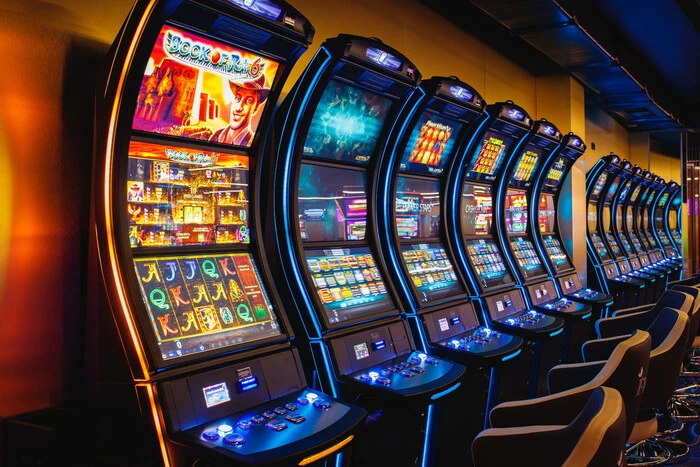
For some individuals, gambling offers a form of escapism from daily stresses and anxieties. The immersive nature of casino games, with their flashing lights, sounds, and focused gameplay, can provide a temporary reprieve from real-world problems. This mental detachment can be a powerful draw, offering a way to temporarily forget troubles and enter a different, more stimulating reality.
The social aspect of gambling also plays a crucial role for many. Casinos can be vibrant social hubs, offering a sense of community and shared experience. Playing alongside others, celebrating wins, and commiserating over losses can foster a sense of belonging. This social reinforcement can further entrench the behavior, making it a regular part of an individual’s social life and contributing to its psychological grip.
Chelmsford Carnival: A Community Hub and Entertainment Destination
The Chelmsford Carnival is a prime example of an event that brings people together for entertainment and shared enjoyment. While not a casino itself, the spirit of excitement and anticipation it generates mirrors some of the psychological draws of gambling, albeit in a family-friendly and community-focused context. The carnival offers a vibrant atmosphere, a variety of attractions, and scheduled entertainment designed to create memorable experiences for attendees, fostering positive emotions and a sense of occasion.
Much like the allure of a potential win at a casino, the anticipation of the rides, games, and performances at the Chelmsford Carnival can be a significant draw. The collective energy of a large crowd enjoying themselves contributes to a positive psychological environment. The event provides a structured opportunity for fun and leisure, where the focus is on shared enjoyment and the creation of happy memories, offering a different kind of thrill that appeals to a broad audience.